What Happens at a Graveside Service in North Carolina
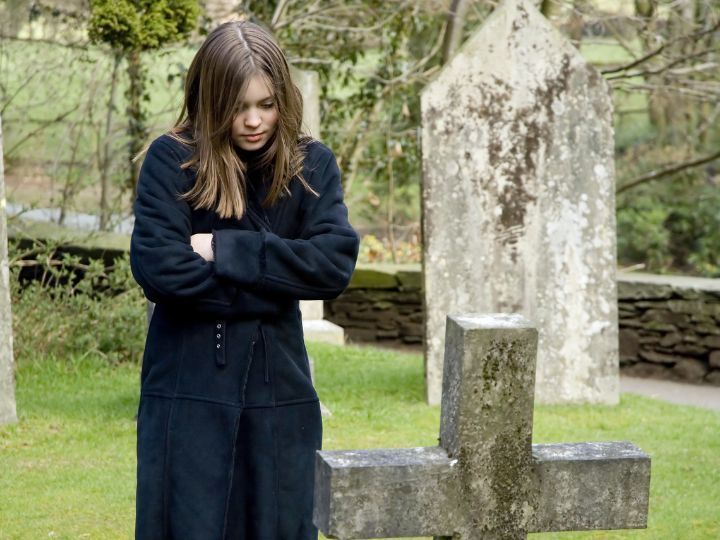
Losing someone you love is never easy, and when it comes to planning final arrangements, it's completely normal to feel overwhelmed — especially if you're unfamiliar with the different types of services available. One option that families across North Carolina often consider is a graveside service. But what exactly is it, when does it make sense, and how does it differ from a traditional funeral?
This guide walks you through everything you need to know about NC graveside services, from what typically happens during one to how North Carolina's approach compares to other states — so you can make an informed, confident decision during one of life's most difficult moments.
What Is a Graveside Service?
A graveside service — also called a committal service or burial service — is a ceremony held at the cemetery, right at the location where your loved one will be laid to rest. It can serve as a standalone tribute or complement a larger church or funeral home ceremony, with many families choosing to hold the main service indoors and then gathering at the cemetery for the final committal as a natural, heartfelt closing chapter to the day's ceremonies.
These services take place at the cemetery next to the grave or crypt site for the deceased and are shorter in length than the funeral or memorial service. Think of it as the final chapter — an intimate, meaningful moment where family and close friends gather to say their last goodbyes in the presence of the burial site.
Unlike a full funeral service held at a funeral home or church, a graveside service takes place entirely outdoors. There's no viewing room, no formal chapel, and typically no extended visitation period. What it offers instead is quiet, focused presence — a space where grief can be expressed simply and sincerely.
When Is a Graveside Service the Right Choice?
There's no one-size-fits-all answer, but graveside services tend to make sense in a few specific situations:
When simplicity is a priority. Some families prefer to skip the elaborate formalities of a traditional funeral. A graveside service can be less complicated to plan and is often more affordable, particularly if a direct burial is chosen.
When the gathering will be small. If you're anticipating a smaller group, a graveside service can be a good way to encourage an intimate gathering for those who prefer more privacy. It creates a close, personal atmosphere that a large indoor ceremony sometimes can't replicate.
When a loved one specifically requested it. Many people pre-plan their own services and request a simple graveside ceremony as part of their final wishes. Honoring that request is a meaningful act of love.
When combined with cremation. A graveside or committal service is typically held immediately following the funeral service, but it can also be a small, intimate gathering of those closest to you — a common choice when families select cremation and want a final resting place they can visit.
When a celebration of life comes later. Some families handle the burial privately first, then plan a larger memorial gathering at a more convenient time — especially when out-of-town family members can't travel quickly.
What Actually Happens at a Graveside Service?
Every family's service is unique, but most NC graveside services follow a general flow that feels both structured and personal.
Arrival and Gathering
If the graveside service follows a funeral held elsewhere, guests typically arrive by following the funeral procession from the funeral home or church to the cemetery. When you arrive, there may or may not be chairs set up. If there are chairs, they are typically reserved for immediate family — so rather than sitting in a chair, guests take a place behind them and stand.
Words of Welcome
Once everyone has gathered, the officiant — whether a clergy member, a celebrant, or a trusted family representative — opens with a welcome and acknowledgment of those present. It's generally good practice for the officiant to check with the funeral director that everyone is present before beginning, so no one misses the service.
Readings, Prayers, and Reflections
Passages from sacred texts, secular poems, or personal reflections are shared, often chosen for their ability to convey love, gratitude, and remembrance. Concise readings work well outdoors, acknowledging grief while allowing space for quiet presence. Family members or close friends may also be invited to speak or share a memory.
The Committal
The committal marks the emotional and symbolic peak of the graveside service. A religious leader may lead a prayer or perform specific rites of committal at this point, or family members may say a few words. For a full-body burial, the casket is typically positioned on a lowering device above the grave. For cremation burials, the urn is placed at its final resting site.
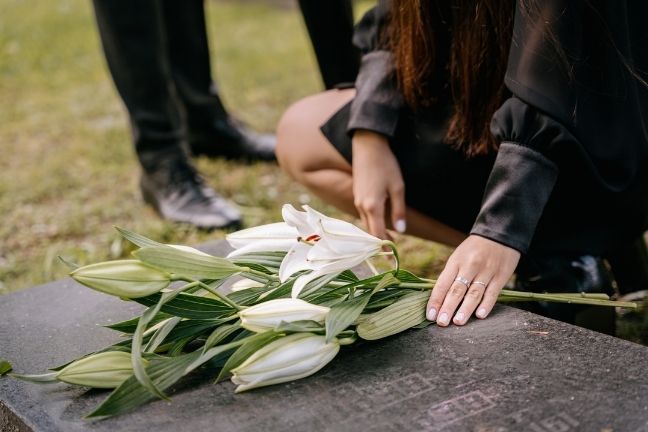
Family members may scatter a handful of dirt on the grave as a symbolic act, representing the deceased's return to earth. Flowers may also be laid in the grave. Afterward, mourners will disperse and the cemetery staff will close the grave.
Military Honors (When Applicable)
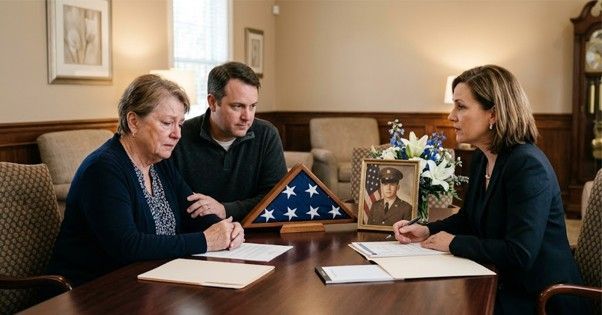
Military honors will also be performed at the graveside if the deceased was a veteran. Typically, military honors include, at the very minimum, the folding of the American flag and its presentation to the next of kin. Depending on the deceased's military career, the Honor Guard may play Taps and possibly give a salute.
After the Service
After the service is over, families may arrange a small social gathering for guests and family members where they can have some refreshments, share stories about their loved one, and come to terms with their grief. This is commonly known as a repast.
Graveside Services in North Carolina: What You Should Know
North Carolina gives families a considerable amount of flexibility when it comes to end-of-life arrangements, and that extends to graveside services.
On burial regulations: Most bodies are buried in established cemeteries, but there are no state laws in North Carolina that prohibit burial on private property — though local governments might have rules governing private burials.
On cemetery vaults: No law requires a burial vault in North Carolina. However, many cemeteries have regulations requiring burial vaults, largely to protect the integrity of the land. It's always a good idea to check the specific rules at any cemetery before committing to a plot.
On veterans' graveside services specifically: It's worth noting that North Carolina State Veterans Cemeteries have their own distinct policies. Graveside services are not permitted at NC State Veterans Cemeteries. Committal services are held in the chapel or at a committal shelter on the cemetery grounds, and all services are 30 minutes long. If your loved one is a veteran, this is an important distinction to discuss with your funeral director early in the planning process.
On cremation and graveside services: North Carolina families who choose cremation have several options for the final disposition of remains, and a graveside service remains fully available to them. Whether the urn is buried in the ground, placed in a columbarium niche, or interred in an urn garden, a meaningful committal ceremony can still be held.
How North Carolina Compares to Other States
Most of the core elements of a graveside service are similar across the country — the gathering, the committal, the prayers, the farewell. However, state-specific laws and cemetery regulations do create some meaningful differences.
In some states, embalming is required before burial can take place, which affects how quickly a graveside service can be scheduled. In North Carolina, neither state statutes nor regulations mandate embalming for burial, cremation, aquamation, or transport within the state. This gives NC families more flexibility in timing their graveside services, especially when they prefer a quicker, more natural arrangement.
On scattering cremated remains — which sometimes replaces or accompanies a graveside service — North Carolina law allows you to scatter ashes on "uninhabited public land." Many other states have far stricter regulations on this, requiring permits or limiting locations significantly. North Carolina's relatively permissive stance gives families more freedom to personalize how they honor their loved ones.
When it comes to private land burial, North Carolina again stands out. There are no laws in North Carolina that prohibit home burial, though you should check local zoning rules before conducting a backyard burial or establishing a family cemetery. States like California and many in the Northeast have far more restrictive policies on this.
Overall, North Carolina tends to give families more choices and fewer bureaucratic hurdles than many other states — which means that working with a knowledgeable, local funeral home becomes even more important for navigating those options wisely.
How Lori's Funeral Home & Cremation Services Can Help
Planning a graveside service, whether standalone or following a funeral, involves a lot of moving parts — coordinating with the cemetery, arranging transportation, selecting readings, notifying guests, and more. Having a compassionate, experienced team by your side makes all the difference.
Lori's Funeral Home & Cremation Services offers distinctive, personal, and affordable services designed to help you honor your loved one in a way that is unique to them and meaningful to you. With locations in Raleigh and Selma, they serve families throughout the surrounding areas of North Carolina — and their team is available around the clock whenever a family needs them.
Their offerings span a wide range of services, from direct cremation and natural burial to traditional burial with full graveside committal, and they accommodate all faith burials. Whether your family prefers a traditional religious service at the graveside or a more personalized, non-denominational gathering, their funeral directors are there to help you shape a service that truly reflects your loved one's life.
If you have any questions or concerns, you're welcome to contact them any time — by phone, email, or simply dropping by the office. In a time when so much feels uncertain, it helps to know there's a team that's always there for you.
A graveside service in North Carolina can be one of the most meaningful ways to say goodbye — simple, intimate, and deeply personal. Whether it follows a full funeral ceremony or stands on its own, it gives family and friends a chance to gather at the final resting place, speak from the heart, and find a moment of peace together.
If you're considering a graveside service for a loved one — or pre-planning your own — don't hesitate to reach out to a local North Carolina funeral home that can walk you through every step of the process with care and compassion.