Funeral vs. Memorial Service: How Families in Raleigh Decide
When a loved one passes away, families are faced with many decisions at a time when emotions are already heavy.
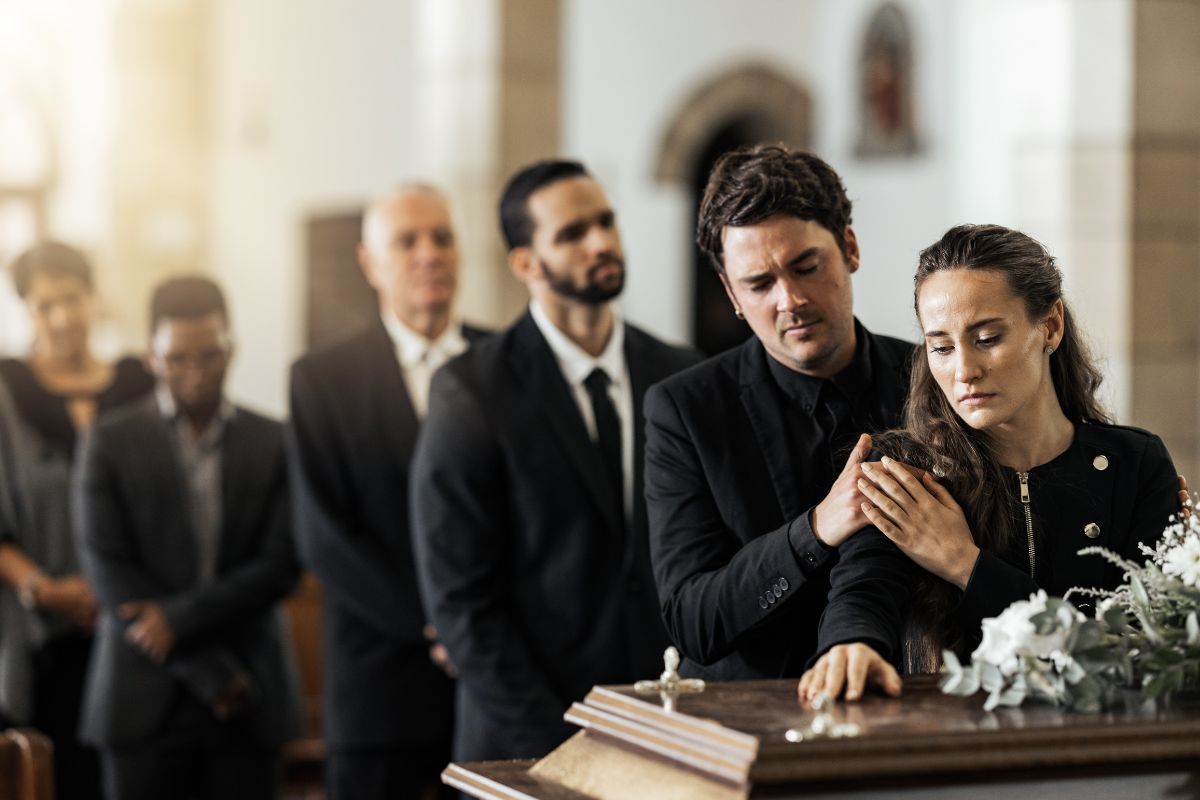
One of the most common questions families in Raleigh ask is whether to hold a funeral service or a memorial service. While the two terms are sometimes used interchangeably, they serve different purposes and reflect different needs, traditions, and circumstances.
Understanding the distinction can help families choose a service that feels appropriate, meaningful, and supportive during a difficult season. There is no single “right” choice—only what best honors the life that was lived and supports those who are grieving.
Understanding the Difference Between a Funeral and a Memorial Service
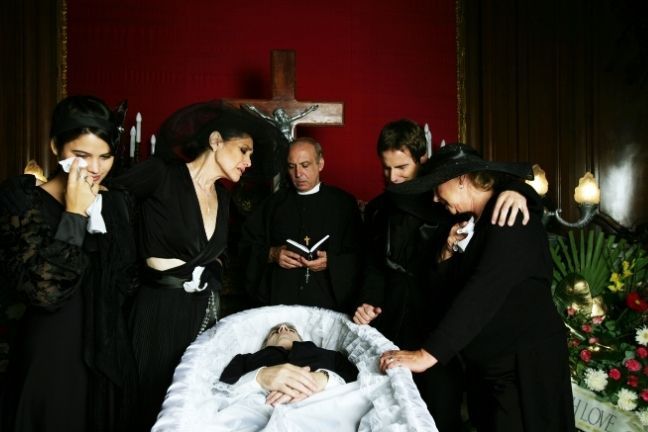
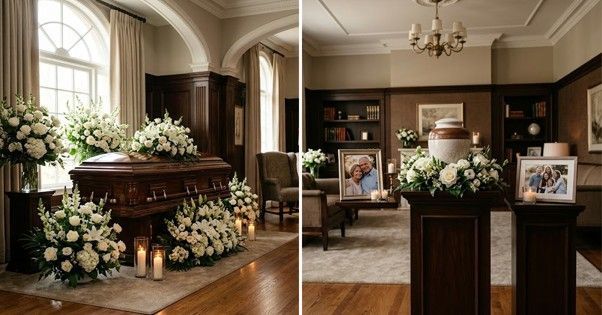
A funeral service typically takes place soon after a death and is often held with the body present, either in a casket or urn. Funerals may include religious or cultural rituals, a formal order of service, and a burial or committal. For many families, funerals provide structure and a sense of tradition during an overwhelming time.
A memorial service, on the other hand, is usually held after burial or cremation. The body is not present, which allows families greater flexibility in timing and location. Memorial services are often scheduled days or even weeks later, giving families time to gather, reflect, and plan a tribute that feels personal.
Both types of services offer space for remembrance, but the way families arrive at their decision often depends on emotional, cultural, and practical considerations.
Timing and Urgency After a Loss
One of the biggest factors influencing this decision is timing. When a death occurs unexpectedly or when families feel the need to gather quickly, a funeral service may feel like the most natural choice. In moments that require immediate arrangements, having guidance for time-sensitive funeral needs and next steps can help families understand their options without feeling rushed or overwhelmed.
In other cases, families may need time—time to notify relatives, coordinate travel, or process their own grief. A memorial service allows for that breathing room. Families who live far apart or who want to wait for better circumstances often find that a memorial service gives them flexibility while still honoring their loved one meaningfully.
Cultural, Religious, and Family Traditions
Tradition plays a significant role in how families decide. Many religious and cultural practices place importance on a funeral service shortly after death, often with specific rituals tied to burial or prayer. For these families, a funeral is not just a gathering—it is a sacred responsibility rooted in belief and heritage.
Other families may not follow formal traditions or may come from multiple faith backgrounds. In those cases, a memorial service can feel more inclusive and adaptable. Some families blend elements of both, drawing from tradition while allowing room for personal expression.
Families exploring options rooted in ceremony and long-established customs often look to traditional funeral services as a way to maintain continuity with their values while honoring the individual.
Emotional Needs of the Family
Grief affects everyone differently. Some people need the immediate comfort of gathering with others, sharing prayers, and participating in rituals that acknowledge loss right away. A funeral service can offer that immediate support and sense of closure.
Others may feel emotionally unprepared to participate in a formal service so soon. For them, delaying a gathering until emotions feel more manageable can make a memorial service more supportive rather than overwhelming.
Families in Raleigh often weigh how each option might help—or strain—the emotional well-being of spouses, children, and extended family members. The choice is less about formality and more about care.
Personalization and the Life Being Honored
Another important consideration is how families want to reflect the personality and story of their loved one. Some lives are best honored through traditional readings, music, and rituals. Others call for storytelling, visual tributes, or less structured gatherings that celebrate individuality.
Memorial services are often chosen for their flexibility, but funerals can also be deeply personal. Families today increasingly look for ways to incorporate meaningful details—favorite music, cultural symbols, personal mementos, or themes that reflect a life well lived.
Exploring options for personalized funeral services can help families see that both funerals and memorials can be tailored with intention and respect.
Practical Considerations: Location, Attendance, and Costs
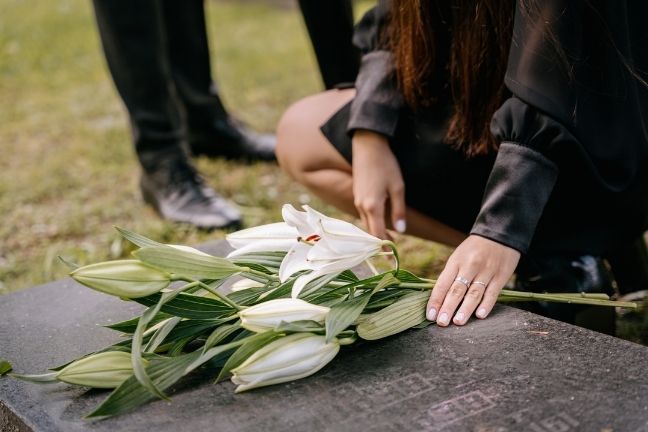
Practical realities also shape decision-making. Travel schedules, venue availability, and family size can all influence whether a funeral or memorial service is more feasible. Memorial services may be held in a wider range of locations, including community spaces or family homes, while funerals are often connected to chapels, places of worship, or cemeteries.
Cost concerns may also factor into the discussion. Families may want clarity on what each option involves so they can make informed choices without added stress. While cost should never overshadow meaning, understanding logistics can help families feel more confident and prepared.
The Role of Professional Guidance
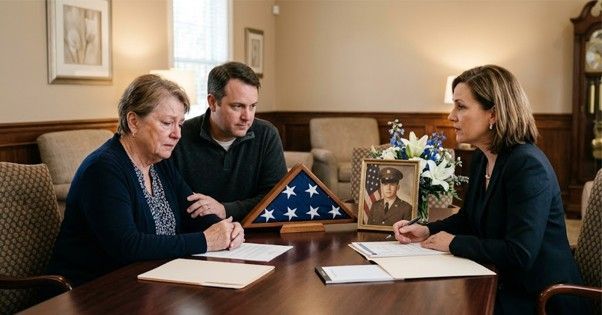
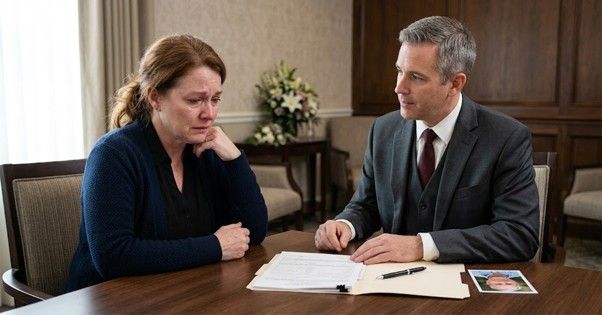
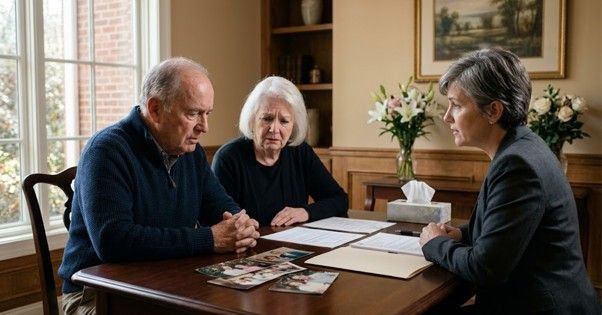
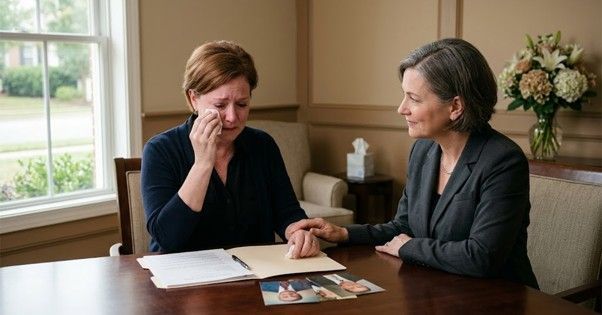
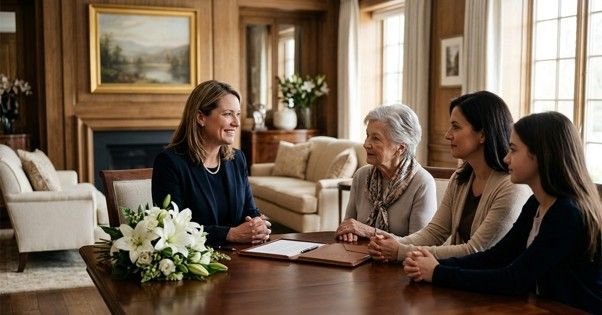
For many families, deciding between a funeral and a memorial service becomes easier when they can talk through their options with someone who understands both the emotional and practical aspects of planning. Having clear, compassionate guidance allows families to ask questions they may not even know they have.
Learning more about available services and support through Lori’s Funeral Home & Cremation Services can help families feel grounded as they navigate unfamiliar decisions, without pressure or obligation.
When Families Choose Both
It’s also worth noting that some families choose to hold both a funeral and a memorial service. A private funeral may take place shortly after death, followed by a memorial gathering later when more people can attend. This approach allows families to meet immediate needs while also creating space for broader remembrance.
There is no single path that fits every family. What matters most is that the choice aligns with the family’s values, circumstances, and emotional needs.
Making the Decision With Care and Confidence
Choosing between a funeral and a memorial service is not about following trends or expectations—it’s about honoring a life and supporting those left behind. Families in Raleigh make these decisions thoughtfully, often balancing tradition, emotion, timing, and personal meaning.
When questions arise or guidance is needed, reaching out for support and conversation can provide reassurance during an uncertain time.
Ultimately, whether a family chooses a funeral service, a memorial service, or a combination of both, the most meaningful choice is the one made with intention, compassion, and respect for the life being remembered.