Understanding the Cremation Process: A Complete Guide
Understanding the Cremation Process: A Complete Guide
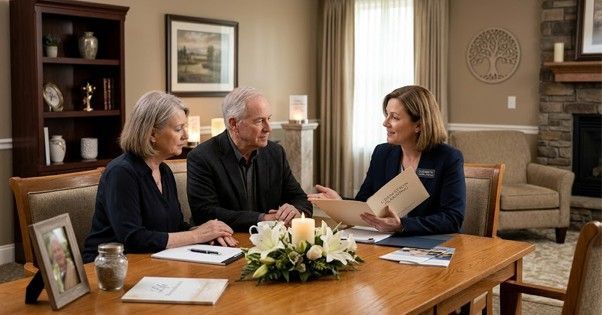
Choosing how to honor a loved one is a major decision. Today, many families choose cremation because it is simple and costs less. Yet, many people still do not know what happens behind closed doors. If you are looking into cremation planning in Raleigh, learning about the steps can give you real peace of mind during a tough time.
Losing someone is hard, and the unknown makes it worse. We want to show you exactly how the process works from start to finish. When you know what to expect, the fear goes away. This knowledge lets you focus on what matters most, which is celebrating a life well-lived.
What Happens Before the Burning Begins?
The work starts long before the machine gets hot. Staff must follow strict legal rules to ensure safety and total accuracy. The facility cannot move forward until every piece of paper is signed and ready.
First, a doctor must sign the death certificate. Then, the closest relative signs a form to give formal permission. Finally, local health officials issue a permit. These steps protect your family and follow local laws.
Checking the Identity Checkpoints
To keep track of everything, good facilities use a strict system. A unique metal tag goes on the deceased person right when they arrive. This tag stays with the body through the whole journey.
Staff members check this tag at many points to avoid any mix-ups. The tag even stays inside the chamber during the cremation. It remains with the final ashes so you know you have the right remains.
The Step-by-Step Breakdown of the Cremation Process
Once the paperwork is done, the physical work starts. The process combines high-tech tools with deeply respectful care. Trained professionals handle every step with the utmost respect.
Phase - Description - Key Requirement
Preparation - Removing medical devices and jewelry; washing and dressing if requested. - Pacemakers must be removed to prevent explosions.
Casketing - Placing the body into an approved container. - Must be combustible, rigid, and fully leak-proof.
Incineration - Exposure to high heat inside the cremation chamber. - Temperatures must reach between 1,400°F and 1,800°F.
Cooling - Letting the remaining fragments cool down safely. - Usually takes one to two hours.
Processing - Reducing bone fragments into a uniform, fine powder. - Specialized processing equipment is used.
Getting Down to Brass Tacks
The container goes inside the cremation chamber, which is also called a retort. High heat reduces the body down to gas and bone fragments. This step usually takes two to three hours.
The exact time depends on the size of the person. It also depends on the type of box used. A technician watches the chamber the whole time to make sure things go well.
Turning Fragments into Clean Ashes
Many people think cremation turns everything into soft ash right away. In reality, the heat leaves behind bone fragments. Once these fragments cool down, a technician checks them over.
The technician uses magnets to remove any metal pieces like surgical pins. Next, the bone fragments go into a special machine. This machine grinds them down into a fine, sand-like texture.
What Types of Services Can You Choose?
Cremation is not an alternative to a funeral. It is just an alternative to a traditional burial in a graveyard. This means you have a lot of choices when you plan a farewell.
You can mix and match options to fit your budget and style. There is no single right way to do this. You have the total freedom to make the best choice for your family.
Going the Direct Route
This is the most simple and budget-friendly option you can find. The facility completes the cremation shortly after death without a viewing or service first. It cuts through the fuss and keeps things simple.
Families can still hold their own private memorial service at a later date. This choice gives you time to catch your breath. You can plan a gathering when everyone is ready to travel.
Traditional Funerals and Viewings
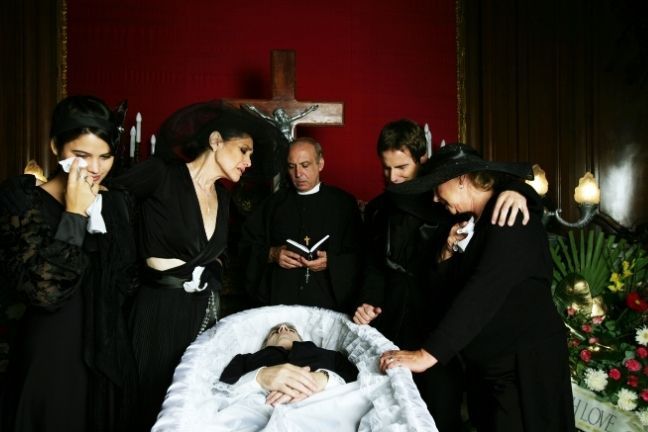
You can still have a traditional wake and funeral with the body present. For this choice, families rent a nice wooden casket for the public viewing. This keeps things familiar for guests who like old traditions.
After the funeral ends, the cremation takes place instead of a burial. It gives you the best of both worlds. You get a traditional service and the flexibility of cremation.
Memorial Cremation Services
With memorial cremation services, the cremation happens first. After that, you hold a memorial service with the urn in the room. This option removes the rush of planning a quick funeral.
Families can gather weeks or even months down the road. This choice gives out-of-town guests plenty of time to clear their schedules. It takes the stress out of calendar planning during a sad week.
Let Us Help You Navigate the Journey
Losing someone you love is an emotional and overwhelming experience. You do not have to walk through this difficult season alone. At Lori's Funeral Home & Cremation Services, we treat every family like our own. Our compassionate team is here to answer your questions, handle the logistics, and help you arrange curated services or handle thoughtful cremation planning in Raleigh. Please reach out to us today to learn how we can support you.
Frequently Asked Questions
Q1) Can family members witness the cremation?
Yes, many modern facilities have comfortable viewing rooms. Families can gather to watch the container go into the chamber. This can provide closure for certain religious practices or personal wishes.
Q2) How long does the entire process take from start to finish?
The physical cremation takes a few hours. However, the entire process usually takes seven to ten days. This timeframe accounts for securing the death certificate, getting doctor signatures, and obtaining local permits.
Q3) Is a casket required for cremation?
No, a traditional casket is not required. However, facilities do require a rigid, fully combustible container. This can be a simple, dignified cardboard box or an unfinished wooden casket designed specifically for cremation.
Q4) How do I know I am getting the right ashes back?
Facilities use a strict labeling system. A unique metal ID tag stays with the body from the moment of transfer, enters the chamber, and is attached to the final urn, ensuring absolute certainty.