Funeral & Cremation Services in Raleigh: What Families Should Know?
Funeral & Cremation Services in Raleigh: What Families Should Know?
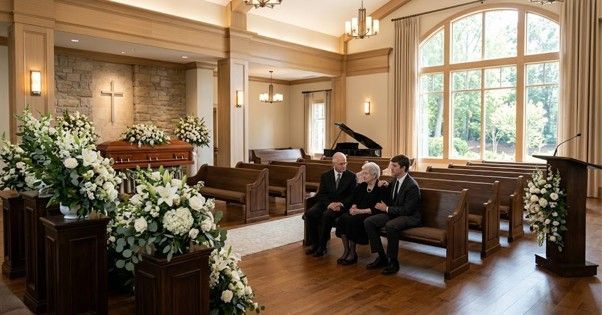
Losing a loved one brings big emotional hurdles and many instant choices. Finding your way through the options for funeral services in Raleigh takes clear and simple facts when you are highly stressed. Families must balance personal wishes, cultural traditions, and tight budgets while planning a proper goodbye. Learning about local rules, choices, and service paths helps you build a sweet tribute that honors a unique life. This guide breaks down exactly what local families need to look over.
What Are the Main Service Options Available?
Local families can pick from a few clear paths when they plan a final tribute. Each path offers a different level of setup, freedom, and total cost.
You can select a traditional route or go for a modern approach that fits your specific needs. There is no single right way to say goodbye to someone you love. The power is entirely in your hands to build a layout that feels right for your circle.
Traditional Burial Services
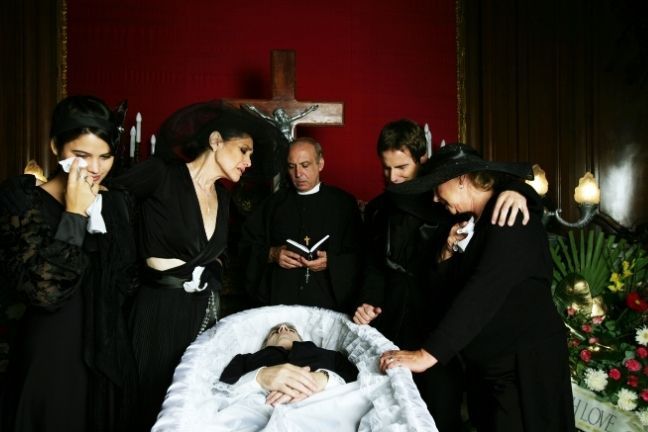
A traditional service usually has a formal viewing, a structured funeral, and a group drive to the graveyard for a graveside burial. This path gives you a highly formal space for community grieving and follows old religious traditions very closely.
It brings great comfort to guests who prefer a classic, familiar way to say goodbye. This option keeps things predictable and follows a well-known script that communities have used for generations.
Cremation with a Memorial Service
This option means the cremation happens quickly after death, while the formal public gathering takes place down the road. The beautiful urn sits at the front of the room as the main focus of the event.
This path gives you incredible scheduling freedom so out-of-town guests have plenty of time to clear their calendars. You do not have to rush into making choices during the first painful days of your loss.
Direct Cremation
This is the most basic and budget-friendly choice you can find on the market today. The facility handles the cremation right away without a formal public viewing or service beforehand.
It cuts right through the fuss and keeps things simple for families who do not want a big public event. Your family can still host a small private scattering or backyard gathering later on your own terms.
How Do Burial and Cremation Compare?
Picking between a burial and a cremation comes down to your personal values, beliefs, and finances. The following chart highlights the main differences between these two paths to help you weigh your options.
Feature - Traditional Burial - Cremation Services
Primary Container - Requires a formal casket and usually a concrete burial vault. - Requires a basic combustible box and a final urn.
Final Resting Place - In-ground cemetery plot or an above-ground stone mausoleum. - In-ground burial, wall niche, home keeping, or scattering.
Planning Timeline - Requires swift decisions, usually within 3 to 5 days of passing. - Allows weeks or months of planning if you delay the service.
Average Cost Range - Generally higher due to the casket, vault, and cemetery fees. - Generally lower because you buy fewer heavy physical products.
What Legal Documents Are Required in North Carolina?
The legal wheels must turn before any physical work or ceremonies can begin. State laws outline a few strict steps that families and service providers must follow to the letter.
These rules protect consumers and make sure everything stays legal and safe. While paperwork feels dry and annoying, completing it correctly keeps your plans from hitting an unexpected brick wall.
Securing the Death Certificate
A certified death certificate must go to the local registrar within five days of the passing. A doctor or medical examiner must fill out and sign the medical cause of death on the form.
This document is absolutely vital for wrapping up an estate, closing old bank accounts, and getting life insurance payouts. Getting multiple copies early will save you a lot of running around down the road.
The Cremation Authorization Process
State laws protect families by requiring clear, written permission before anyone operates the cremation chamber. The legal next of kin must sign a formal document giving the okay.
If several siblings share the same legal rank, a majority or all of them must sign the paper depending on local county rules. Also, a medical examiner must check the case details and issue a formal permit before things move forward.
Let Us Support You with Compassionate Care
Navigating the loss of a loved one takes a steady, helping hand to manage the tough details and emotional steps. At Lori's Funeral Home & Cremation Services, our caring team stands ready to guide your family through every phase of the process. Whether you need instant help tonight, want to plan meaningful funeral services, or wish to look into respectful Raleigh cremation services, we provide gentle care that honors your traditions perfectly. Please reach out to our local office today to find out how we can lift your burden.
Frequently Asked Questions
Q1) What is the handles-first rule for next of kin?
North Carolina uses a strict legal list to see who calls the shots for a funeral. Control goes first to a named healthcare agent, then a spouse, followed by a majority of adult kids, parents, and siblings.
Q2) Can you scatter cremated remains anywhere in Raleigh?
You can scatter remains on your own private land without an issue. For public parks, city lands, or local waterways, you must get clear permission or permits from the government before holding a ceremony.
Q3) Is embalming legally required for all funerals?
No, state law does not force you to get embalming for every single situation. However, individual facilities often require it if you want to hold a public, open-casket viewing or a very long visitation.
Q4) How long can a facility wait before performing a cremation?
State rules say you must wait at least 24 hours after death before performing a cremation. Practically, it takes a few days to gather doctor signatures, file the death certificate, and get the medical examiner permit.
Q5) What is a cash advance item on a funeral bill?
These are fees paid to outside groups on behalf of the family. They include buying certified death certificates, paying the clergy or musicians, purchasing cemetery plots, and putting obituary notices in the local newspaper.